A Brief History of Deer Lake
Deer Lake’s story began over 10,000 years ago during the last Ice Age, when retreating glaciers carved out the landscape we see today. The lake itself is a spring-fed, glacial lake nestled in western Wisconsin, surrounded by rocky ridges and wooded hills that hint at its ancient origins.
For centuries, the land around Deer Lake was home to Native American tribes, including the Dakota and Ojibwe peoples. They hunted, fished, and traveled the waterways, leaving behind artifacts and stories that connect the lake to a broader cultural heritage.
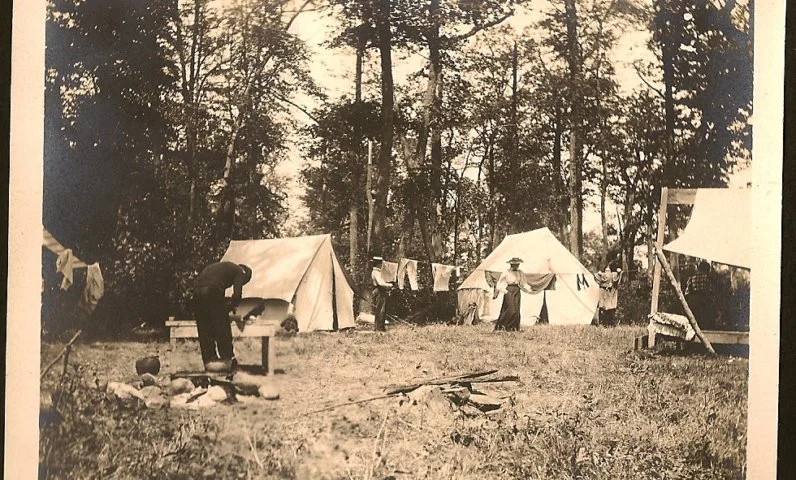
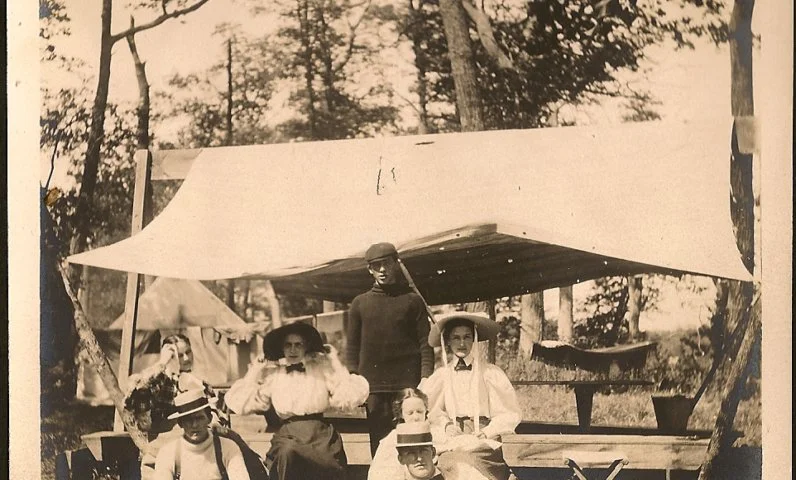
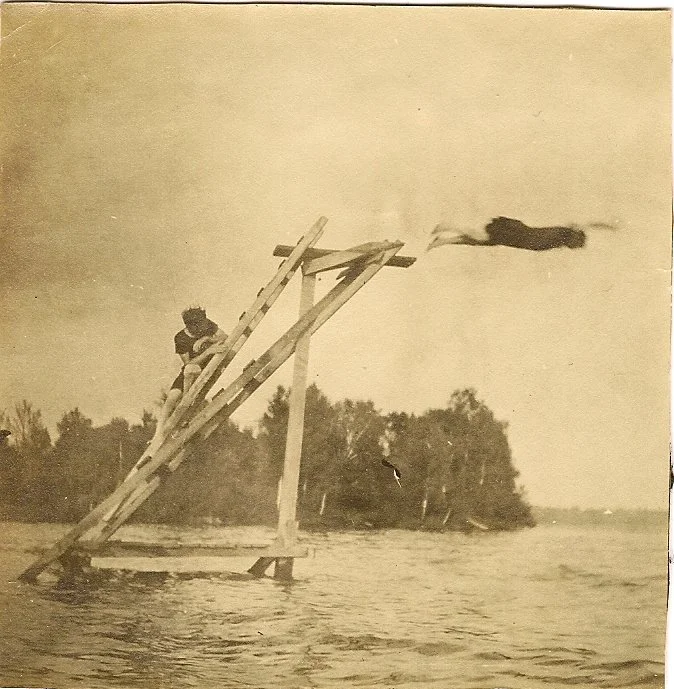
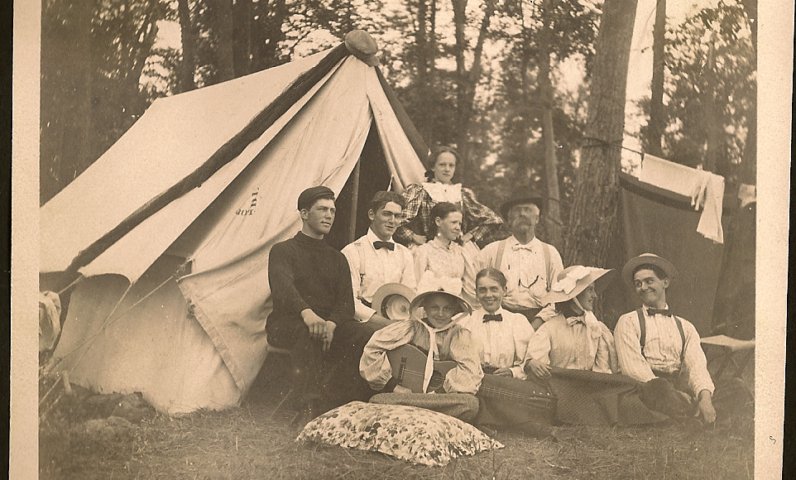
In the 1800s, European settlers arrived, drawn by the area's natural beauty and resources. Logging and farming shaped the early economy, and as time went on, the lake's clear waters and peaceful setting began attracting vacationers. By the early 1900s, Deer Lake had become a popular summer retreat.
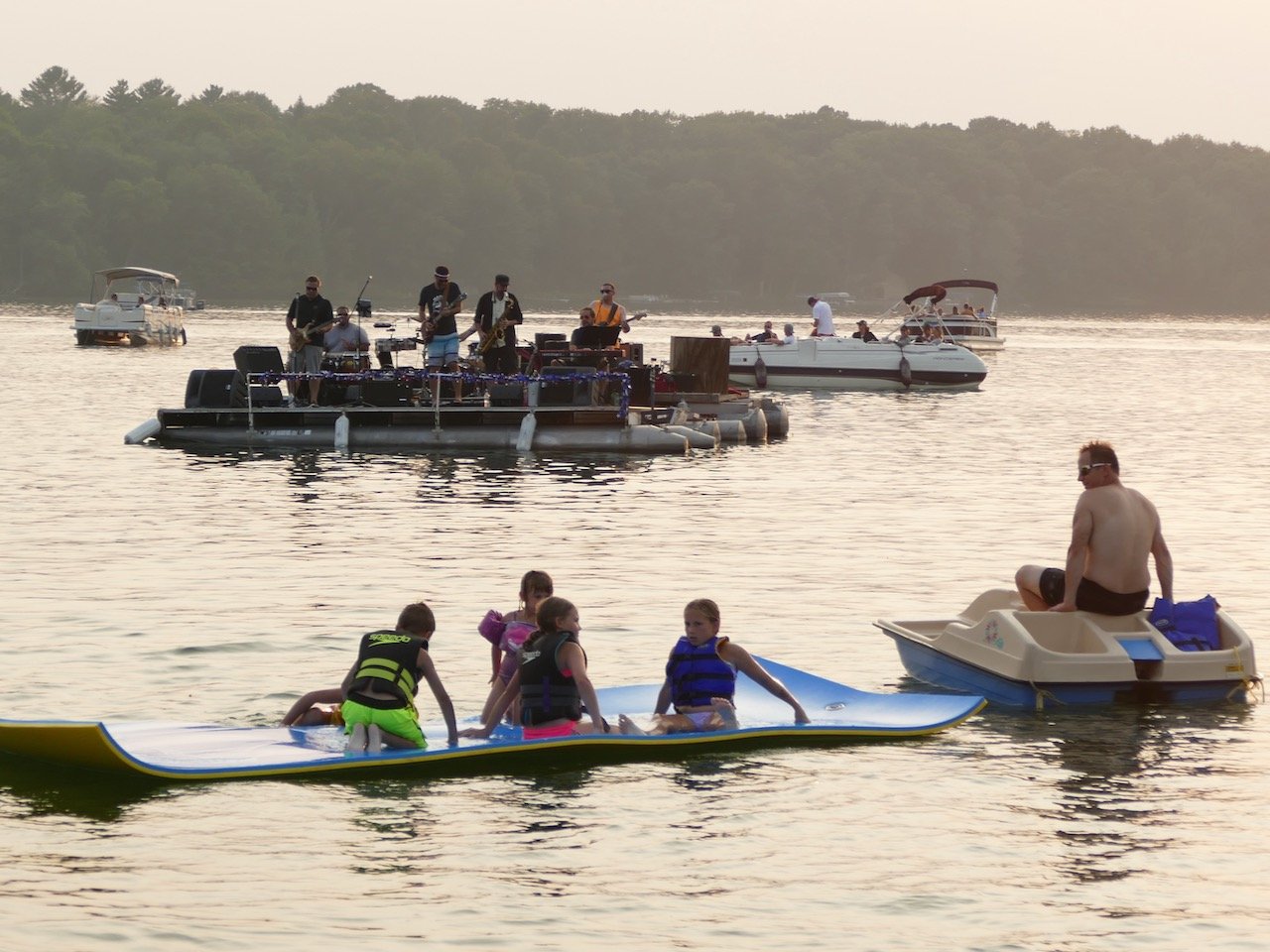
In 1939, residents formed the Deer Lake Improvement Association to protect the lake and foster a sense of community. That commitment continues today through conservation efforts, water quality initiatives, and neighborhood events that keep the spirit of Deer Lake alive for future generations.
The personal lake history itself was compiled from various files and documents stored in closets of cabins around the lake as well as many conversations. We are aware that there are periods in the Association’s history in which little, or no, information is available. We thank Joanna Victor, a long-time lake resident and all others who contributed to this history.
-
In the early 1930s, drought lowered Deer Lake's water level. Some residents, wanting to raise the lake, secretly added debris to block the outlet. Others, concerned about erosion and shoreline damage, removed it just as quietly. This ongoing conflict led to the founding of the Deer Lake Improvement Association (DLIA) in 1939. The goal: preserve the lake's beauty and prevent its deterioration.
-
The DLIA was formed in 1939 with officers including a President, Vice President, Secretary, and Treasurer. An Executive Committee was also created. Property owners and renters were eligible for membership, and dues were $2/year (raised to $5 in 1957). Annual meetings were required, with leadership reporting on activities.
-
Records from 1939–1957 are limited. The Association built a dam at Mirror Waters to regulate water flow and addressed issues like swimmer's itch and algae. It became inactive in 1959, possibly due to a disagreement over funding July 4th fireworks. In 1969, concern about water quality led to the Association’s revival. It was legally incorporated in 1971 with an updated mission focused on protecting the lake and nearby land.
-
The updated constitution expanded the Board from 6 to 9 members and detailed roles for all officers. Meetings followed Robert’s Rules of Order. Bylaws could only be changed by a two-thirds vote, ensuring member involvement in decisions.
-
Committees were formed to handle key areas: safety (swim classes, boat training), membership & events (July 4th festivities), and environmental care (algae control, zoning). Swimming and CPR classes were offered. A directory was created, and algae spraying continued. To ensure consistent funding, local towns added a $3.50 tax assessment in 1971 to cover spraying costs.
-
In the 1980s, the Deer Lake Improvement Association opposed a proposal to build a 44-unit motel at the lagoon near a popular restaurant. The owner received a special exemption from the Shoreline Protection Ordinance, prompting the DLIA to file legal action over environmental concerns and procedural errors. Over 150 opponents were denied the opportunity to speak at the public hearing, further fueling frustration. Though a restraining order temporarily halted the project, the court ultimately upheld the exemption. Delays pushed it into an era of high interest rates. The motel was never built, and the restaurant later burned down.
Then and now
-
Concerns emerged in the 1980s about non-lakefront lot owners gaining access to the lake. The DLIA, with other lake associations, advocated for stricter regulations. By 2008, access was restricted to 50-foot strips with no more than five homes and no RVs or camping allowed. The DLIA continues to be active in shoreline protection today.
-
The DLIA’s updated Articles reaffirmed its mission and refined membership types. Water clarity testing began in 1987 using Secchi disks. A 2008 report identified nutrient-rich agricultural runoff as a major threat to the lake’s long-term health. Monthly inspections and water quality efforts continue today.
-
Founded in 1995, the Deer Lake Conservancy operates as a Land Trust to acquire and protect shoreline property. Though separate from the DLIA, the groups work closely together. The Conservancy focuses on long-range planning while the DLIA handles immediate environmental concerns.
-
The DLIA partnered with the town and DNR to renovate the public landing, and led a successful initiative to bury overhead power lines around the lake to prevent clear-cutting. Residents contributed funding and volunteer efforts, preserving trees and improving electrical service.
-
The DLIA successfully advocated for rerouting Highway 8 to reduce noise, runoff, and traffic risks. They also opposed a nearby cement plant in 2005. After community pushback and legal challenges, the exemption was overturned in 2008, and the project was canceled.
-
The DLIA keeps residents informed through emails, Facebook, and the Deer Tales newsletter. It hosts July 4th events, supports lake education, and encourages stewardship. Over two-thirds of residents are members. With dues and donations, the DLIA continues to protect and celebrate Deer Lake for future generations.